Walking as Hygiene
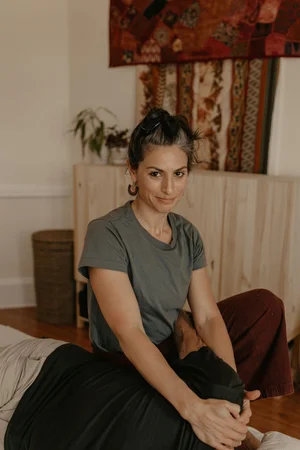
Thai traditional medicine recommends spending roughly equal amounts of time every day in each of these four postures: sitting, standing, lying and walking.
When we follow the cycles of the day, the seasons and the lifespan, these needs will shift and change. A baby who cannot walk, sit up or stand, for example, is not going to spend much time in any posture other than lying down. So, we need adjust the reference point based on cyclical factors.
For most of us, the idea of dividing the day between these four postures can be a helpful, even if we aren’t able to fully incorporate the recommendation, especially when we consider the idea of filling a third of our waking hours with walking. For most of us, this just isn't possible in our modern daily lives where work, and so much of the rest of our daily activities, is sedentary or desk-bound. Even in this reality, most of us could walk more. But how?
If we don’t already have the habit of walking regularly, it’s best to start small and build over time. Simple changes like parking farther away from the entrance to the store are a good start. If we’re in an office with coworkers, walking to their office to speak to them instead of calling or emailing could be a strategy, or even simply taking an extra lap around the interior of the building whenever taking a bathroom break. We are actively trying to change our routines and our habits to include more movement.
Changing our habits takes intention and attention; sometimes challenging our habitual thinking is the bigger obstacle than the activity itself.
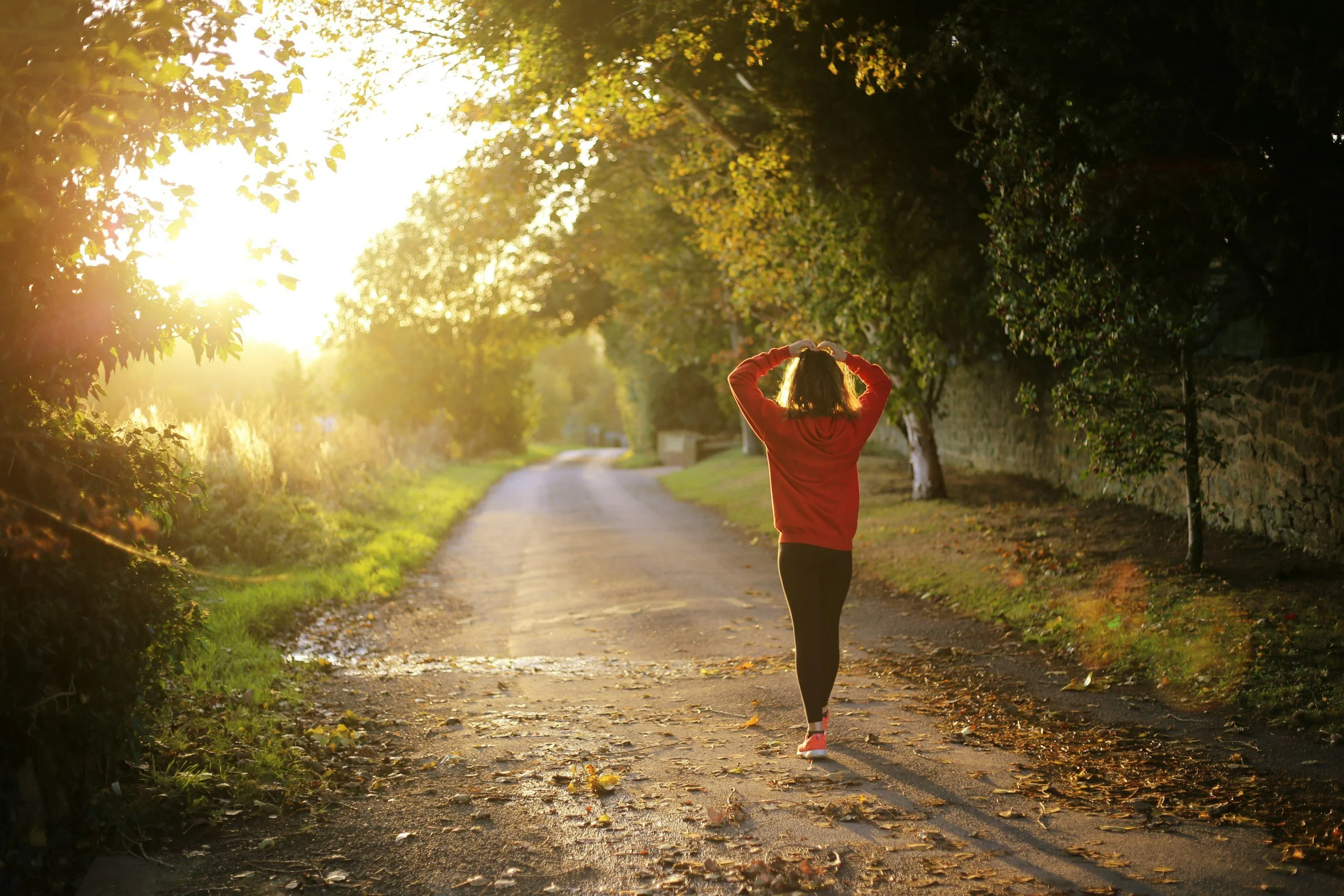
Walking can actually help with this. Aside from the physical benefits, which are numerous, there are a number of mental and emotional benefits. Walking gives us space to clear our minds, work through problems and ideas and to integrate our mental and physical states. The movement of walking and the corresponding breathing affects our whole system in a positive way. The spaciousness of moving, especially out of doors, opens our minds to new possibilities while giving the body an unencumbered space for activity.
For our bodies, walking positively impacts our digestion, our circulation, our cardiovascular health, our respiratory health, encourages lubrication of our joints and keeps various tissues nourished and strong. Walking reminds our bodies how to function.
One of the most important times to consider planning for a gentle, short (10-15 minutes) walk is after any meal, especially if it was a heavy meal and especially as the day goes on. Walking after meals supports the muscles that move food through the digestive tract. And, walking gently relaxes the body and the mind, allowing the system to prioritize digestion and minimize the stress that leads to inflammation, food intolerances and digestive distrress. Some Thai traditional medicine doctors consider digestion to be the foundation of health. What we eat becomes our tissues, our bones, our body. We want this process to go as well as possible. Walking helps.
Finally, walking supports sound, restful sleep. Walking (especially outdoors early in the morning) gets us a needed dose of daylight, which helps to improve our moods and to regulate the release of hormones at crucial times during the sleep cycle. A walk clears our minds of anxieties, problems or thoughts that may interrupt our sleep while also tiring the body for easier rest.
In modern times, we are plagued with low level chronic aches and pains, digestive woes and disturbed sleep. Our posture, our strength and our minds deteriorate from too much sitting. Humans were made to walk and we’ve been suffering from not doing so. How can you incorporate a little more walking into your day?